Along the Kinabatangan River, conservation is not always about planting trees.
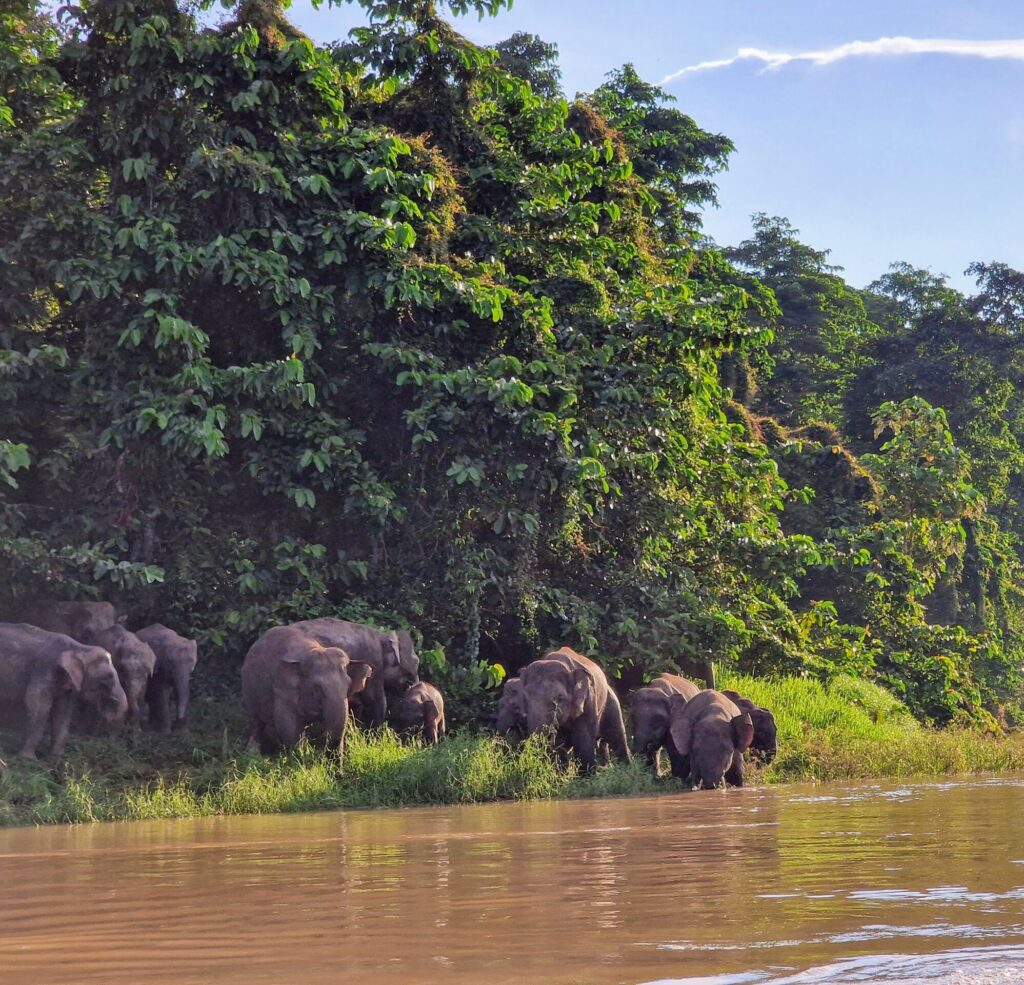
While restoring rainforest is an important part of protecting the river’s wildlife, open grassland also has an important role to play — particularly for one of Borneo’s most iconic animals, the Bornean pygmy elephant.
At Hornbill Lodge, we are helping to create and maintain this habitat by replanting elephant grass on land that was formerly used as a football field.
Why grass?
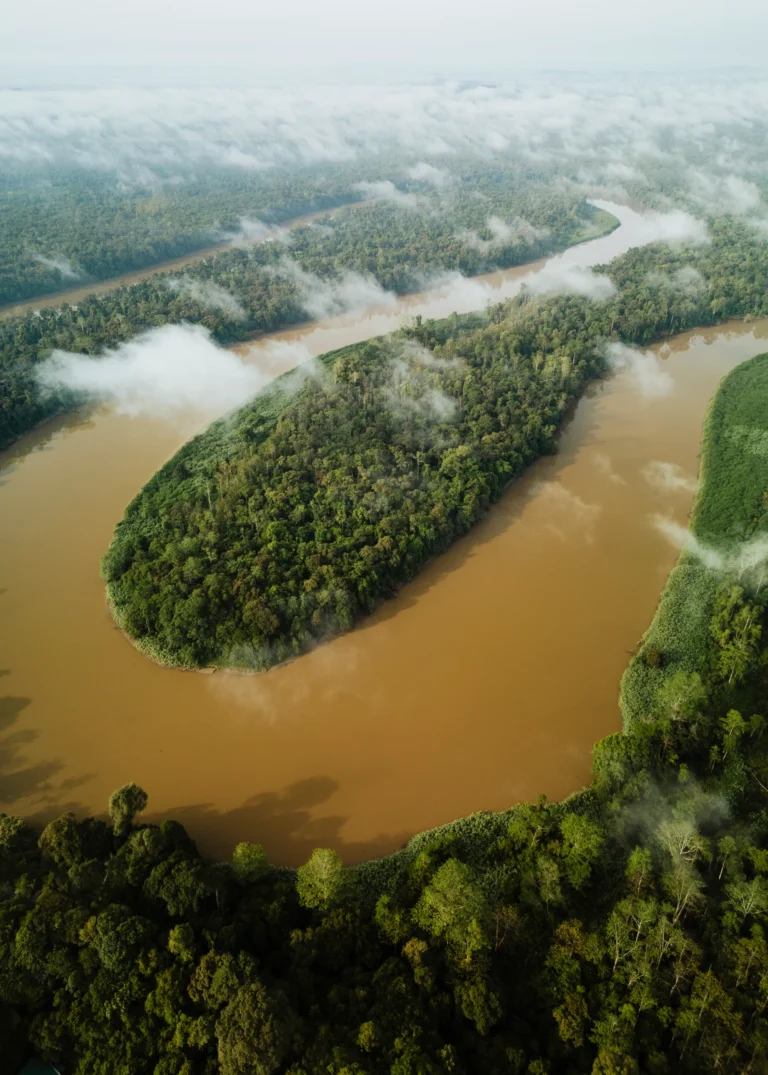
The Lower Kinabatangan is famous for its rainforest, but the river landscape is a patchwork of forest, wetlands, grassland and areas that have been altered by agriculture and other human activities.
Historically, open grasslands along the river were more widespread. Today, many have disappeared as land has been converted for other uses.
For elephants, this matters because grass is an important part of their diet. Bornean pygmy elephants travel considerable distances in search of food, and when natural food sources become harder to find, they can sometimes enter villages and agricultural areas in search of crops. This can lead to conflict between elephants and local communities.
Creating designated areas where elephants can find food is one approach being explored to help reduce this conflict. Recent projects elsewhere along the Kinabatangan have planted Napier grass specifically as an alternative food source for wild elephants, with encouraging results. Herds have been observed spending significant periods grazing in these areas.
Elephant grass at Hornbill Lodge
At Hornbill Lodge, we have converted an area that was previously used as a football field into elephant grassland. The area is now planted with Napier and Berau grasses, providing a source of food for pygmy elephants that pass through the Kinabatangan landscape. It also helps the elephants to refuel without entering plantations or properties, helping reduce conflict.
Elephants as landscape engineers
There is another reason to appreciate elephants in these grasslands.
Elephants don’t simply consume vegetation — they also influence the landscape around them. By feeding, moving through vegetation and opening up areas of dense growth, they can create clearings where sunlight reaches the ground and new plants can grow.
In this way, elephants can help shape the habitats they depend upon.
This is one reason why protecting the Bornean pygmy elephant is about more than saving a single species. Healthy elephant populations are part of a functioning Kinabatangan ecosystem.
A different kind of restoration
When people think about restoring degraded land, they often imagine planting thousands of trees.
Sometimes, however, restoration means keeping an area open.
At Hornbill Lodge, our elephant grassland provides an alternative habitat within a wider landscape dominated by forest, plantations and human settlements. It gives passing elephants an additional source of food and helps maintain the diversity of habitats found along the Kinabatangan.
And perhaps most importantly, it gives our guests an opportunity to understand that conservation is not always about creating more forest.
Sometimes, it is about creating space for wildlife to thrive.