The Kinabatangan River
560km of forested floodplain, ten primate species and one of South East Asia’s finest wildlife-watching rivers — right outside your chalet.
Welcome to the Kinabatangan river
At 560km long, the Kinabatangan is the largest and longest river in the Malaysian state of Sabah and the second-longest in Malaysia. It runs from the central mountains of the interior all the way east to the Sulu Sea beyond Sandakan, and its catchment covers almost 23 per cent of the total land area of Sabah.
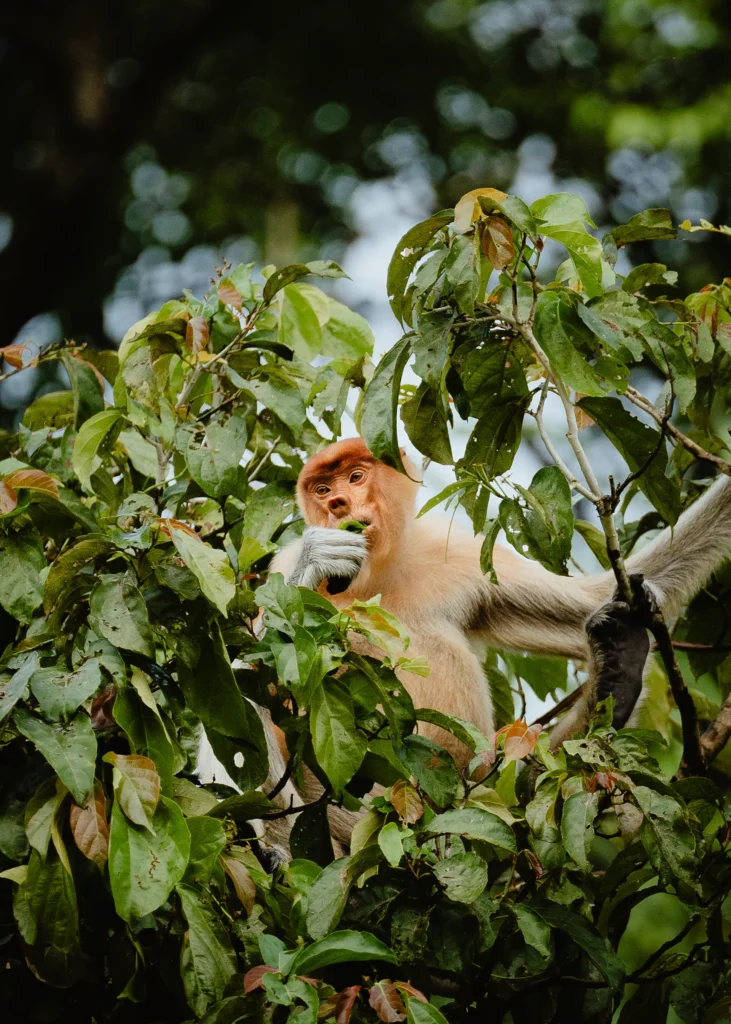
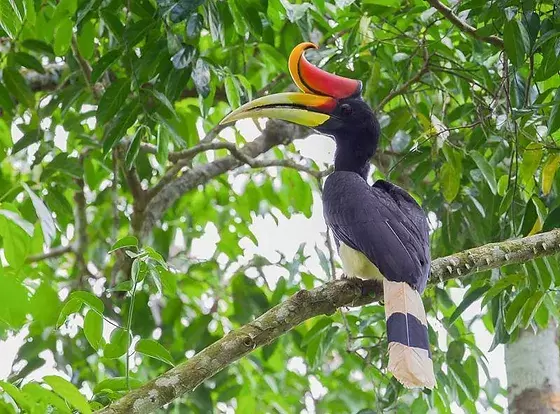
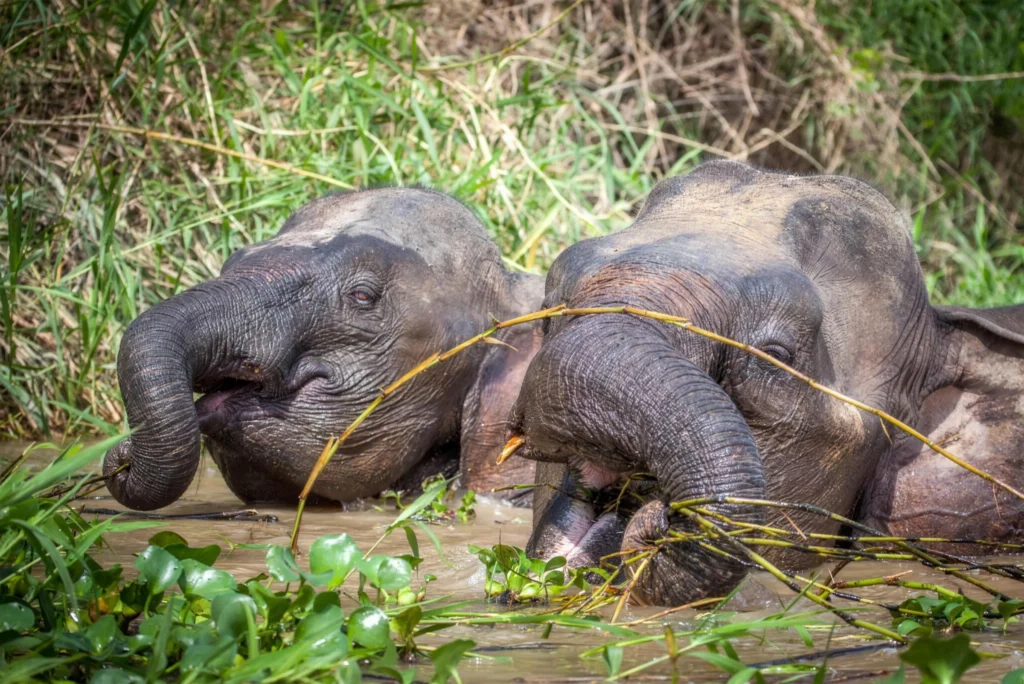
The river draws visitors from all over the world, hoping for a glimpse of Borneo’s “Big Five” — the Bornean orang-utan, proboscis monkey, Bornean pygmy elephant, saltwater crocodile and rhinoceros hornbill.
A brief history. Chinese traders may have arrived in the Kinabatangan region as early as 631AD, but the true trading years began in the 16th century. Edible bird’s nests, rhinoceros horn, elephant ivory, hornbill casques, hardwood resin, flexible rattan vines, beeswax, fragrant wood and oil-rich illipe nuts all flowed down the river and across to China.
Why the river works :
- 560 km of forested floodplain draining 23% of Sabah
- All 10 of Sabah's primate species live along this river
- 300+ recorded bird species, including 8 hornbills
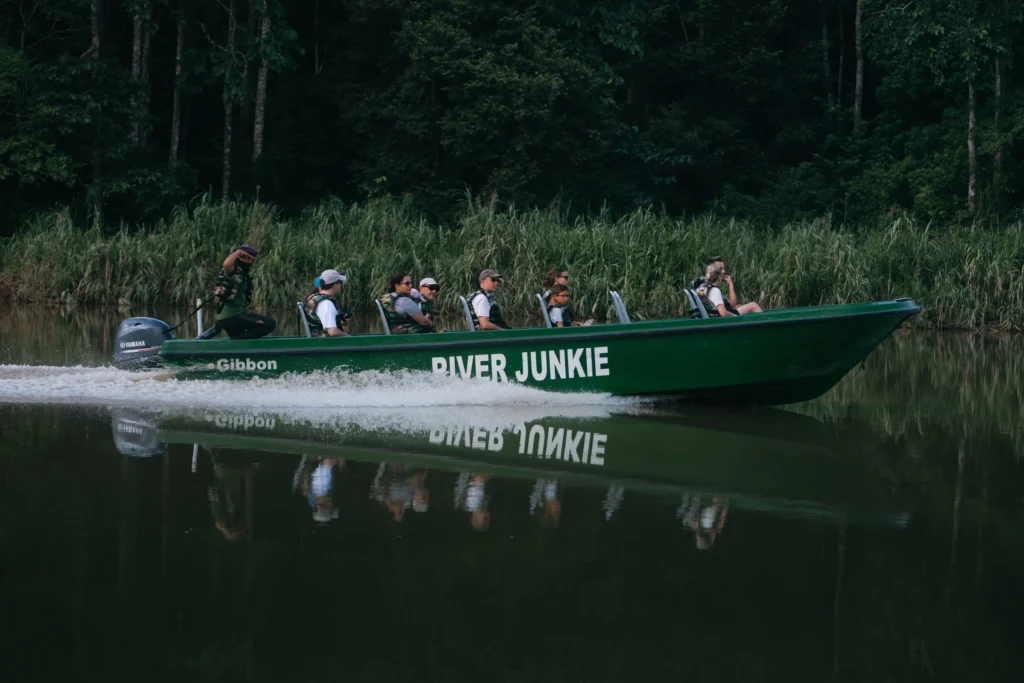
- Wildlife concentrates on the banks — you watch from a boat
- Easy access - Hornbill Lodge is roughly 2.5 hours by road from Sandakan airport
Life Along The Kinabatangan
People of the Kinabatangan
The Orang Sungai — “People of the River” — settled along Sabah’s river systems centuries ago, drawn by the abundant natural resources of the rivers and surrounding forests. Living in stilted houses along the banks, they practised small-scale agriculture, fished and gathered forest produce to barter with the traders who sailed upriver. Rattan, resin, bird’s nests and medicinal plants went out; salt, metal tools and textiles came in.
Four main villages remain along the Kinabatangan — Batu Puteh, Bilit, Sukau and Abai — with many smaller communities and settlements in between. Hornbill Lodge is located in Bilit village, the second largest of the four and the next one upriver from Sukau, so river life carries on quietly around you for the whole of your stay.
Mammals of the Kinabatangan
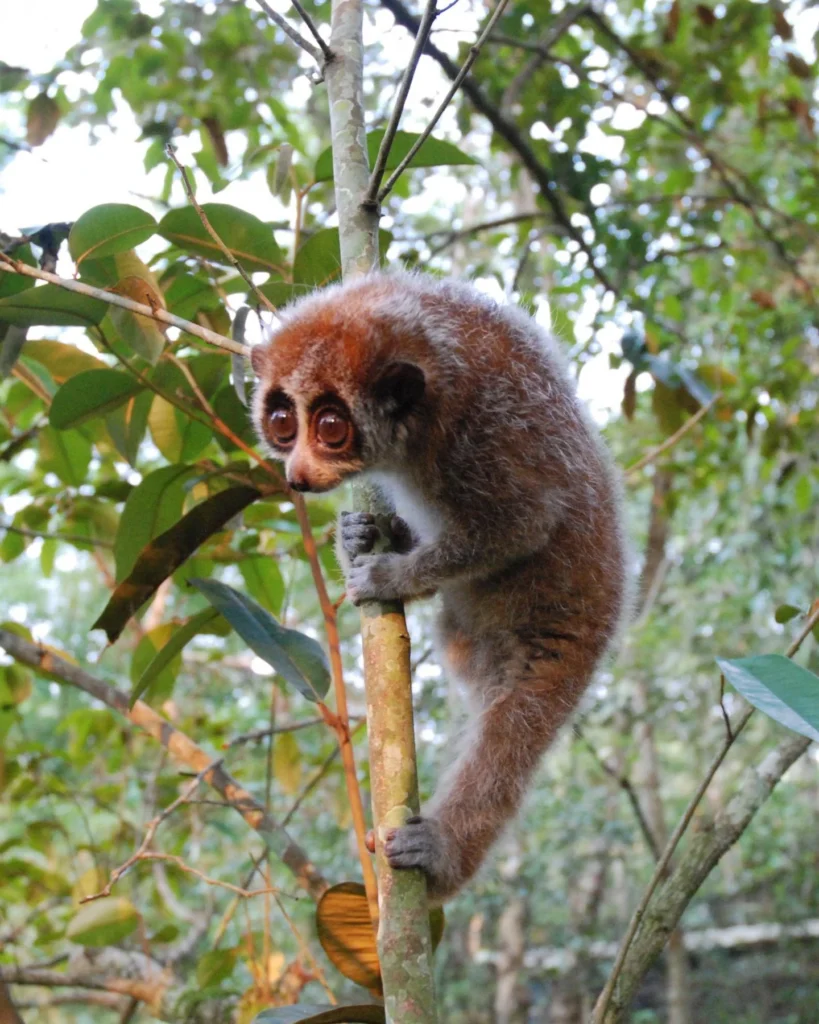
The Kinabatangan river’s floodplain forests hold 43 endemic Bornean mammals, fed year-round by fruit, leaves, fish and insects. All 10 of Sabah’s primate species live along this river — orang-utan, proboscis monkey, maroon langur, gibbon and slow loris among them — and our jungle and night walks turn up far more besides.
- All 10 of Sabah’s primate species, including orang-utan and proboscis monkey
- Bornean pygmy elephants feeding on the banks or crossing the river
- Civets, treeshrews, squirrels and the Sunda stink badger on night walks
- Otters, leopard cats, marbled cats and — for the very lucky — clouded leopard
Birds of the Kinabatangan
Around 300 bird species have been recorded in the area, making this place a heaven for birdwatchers. The ecosystem supports both resident and migratory species, and the isolation of Borneo as an island has led to the evolution of numerous endemics.
The black-crowned pitta is commonly seen around the lodge, the brown barbet can be found nesting in termite mounds, and the Bornean crested fireback and Bornean black-capped babbler use our forest trails daily. You may hear the Bornean ground-cuckoo, or see the iconic and beautiful Bornean bristlehead from the boat.
Reptiles, amphibians and life in the water
The Kinabatangan river’s most famous reptile is the giant saltwater crocodile — the reason we advise against swimming — joined by the rarer, fish-eating false gharial. Borneo’s largest lizard, the Asian water monitor, is a common sight on the banks, reaching 2.5 metres and 25kg.
Smaller species are everywhere: geckos, skinks and flying lizards around the lodge, Malayan box turtles on our forest trails, and snakes from common bronzebacks to the reticulated python. Frogs include the camouflaged Bornean horned frog and Wallace’s flying frog, which glides between trees on webbed feet.
Seen From Our Jetty
Elephants on the bank, hornbills overhead and proboscis monkeys settling in for the night — all photographed from the river in front of the lodge.
Watching The River From Hornbill Lodge
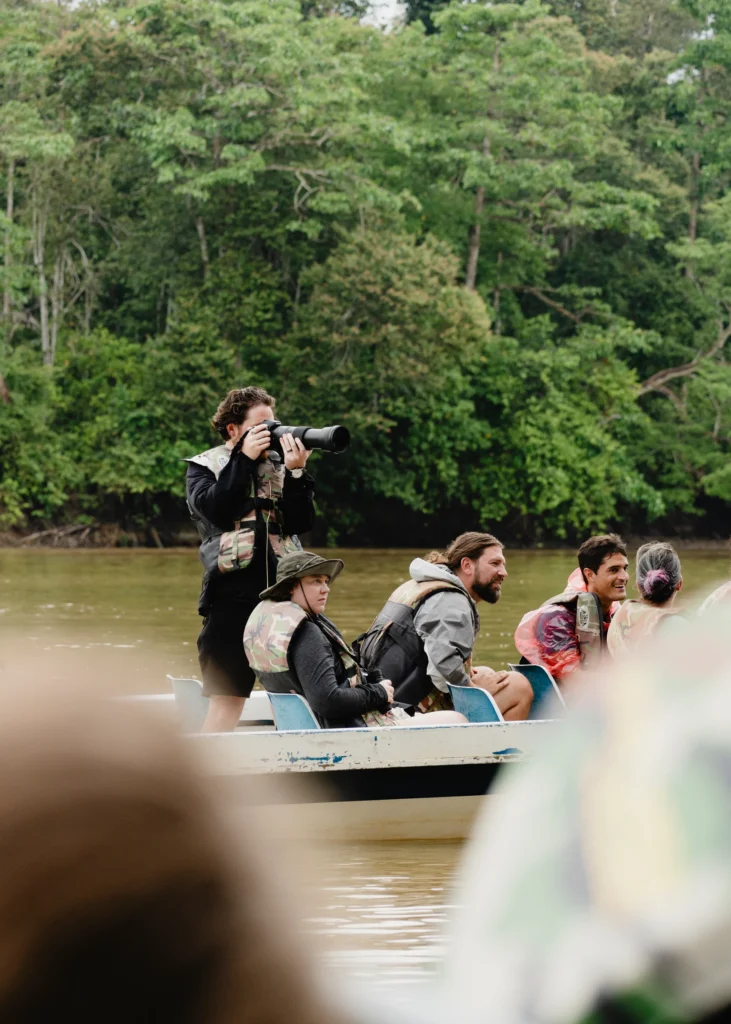
Our 30 acres at Bilit form one of the largest private riverfront conservation areas on the Kinabatangan, with elephant grasslands, salt licks and wildlife ponds. Cruises run on quiet 4-stroke engines with a maximum of 12 guests per boat, and our three-storey observation tower — the only one in the area — lets you watch the forest wake up without leaving the grounds.
30 acres of riverfront
One of the largest private conservation areas on the Kinabatangan.
Max 12 per boat
Quiet 4-stroke engines, small groups and guides who know the bends.
Observation tower
Three storeys, the only one on this stretch — worth the dawn climb.
2D1N Kinabatangan river experience
2 days · 1 night · from RM900 pp
2D1N Kinabatangan river experience
2 days · 1 night · from RM900 pp
- Phone:+1 (859) 254-6589
- Email:info@example.com
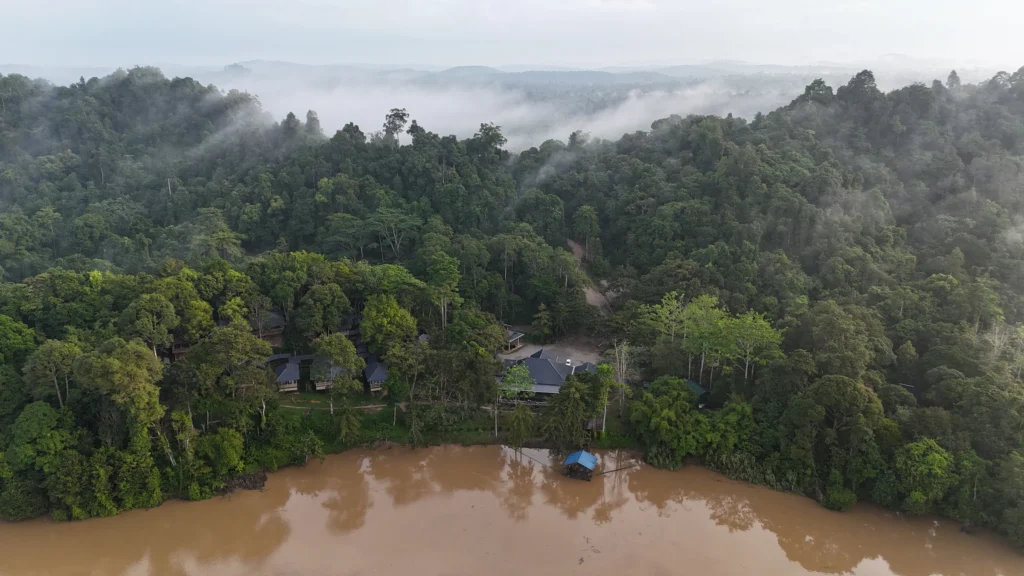
2D1N Kinabatangan river experience
2 days · 1 night · from RM900 pp
One afternoon cruise, one night walk and a dawn cruise before you travel on.
3D2N Kinabatangan river safari
3 days · 2 nights · from RM1300 pp
3D2N Kinabatangan river safari
3 days · 2 nights · from RM1300 pp
- Phone:+1 (859) 254-6589
- Email:info@example.com
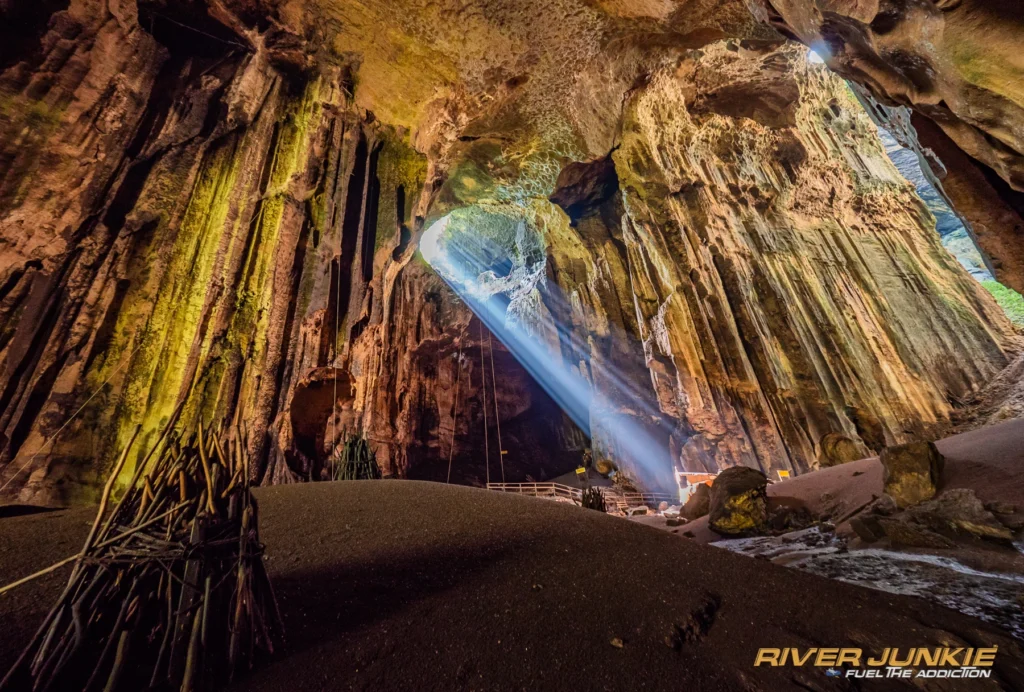
3D2N Kinabatangan river safari
3 days · 2 nights · from RM1300 pp
Four cruises, a jungle walk and two night walks — our most-booked stay.
4D3N Kinabatangan with Gomantong
4 days · 3 nights · from RM2190 pp
4D3N Kinabatangan with Gomantong
4 days · 3 nights · from RM2190 pp
- Phone:+1 (859) 254-6589
- Email:info@example.com
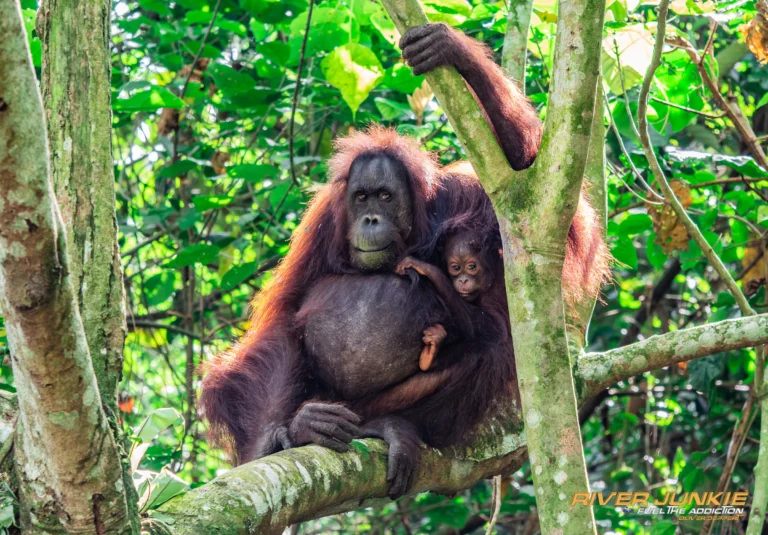
4D3N Kinabatangan with Gomantong
4 days · 3 nights · from RM2190 pp
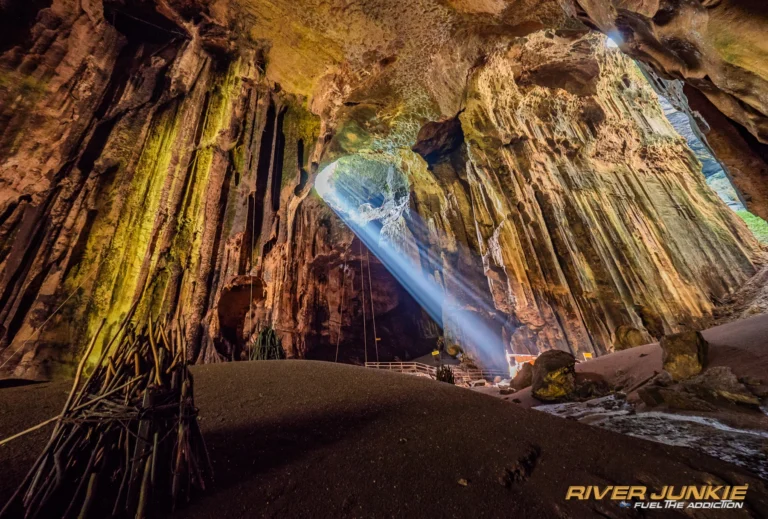
Three nights on the river plus the limestone caves and their bat exodus.
4.9 on TripAdvisor
73 reviews · #5 of 17 in Kinabatangan District
Verified guest reviews on TripAdvisor.
Come and see the Kinabatangan for yourself
Tell us when you would like to travel and we will help you choose the stay that fits.